Pickleball has exploded in popularity across the United States, blending elements of tennis, badminton, and ping pong into a fun, accessible game that appeals to all ages. With courts popping up in parks, community centres, and even converted tennis facilities, millions are picking up paddles. However, this surge in participation has led to a notable increase in pickleball injuries. As more people, especially those over 50, join the fray, understanding pickleball injuries is crucial for safe play. This article dives into the most common pickleball injuries, their causes, prevention strategies, treatment options, and the latest research to help you stay on the court longer.
Whether you’re a beginner dinking at the kitchen line or a competitive player smashing volleys, pickleball injuries can sideline anyone. Recent data shows a dramatic rise in emergency room visits related to the sport, highlighting the need for awareness. Let’s explore how to minimize risks while enjoying this addictive pastime.
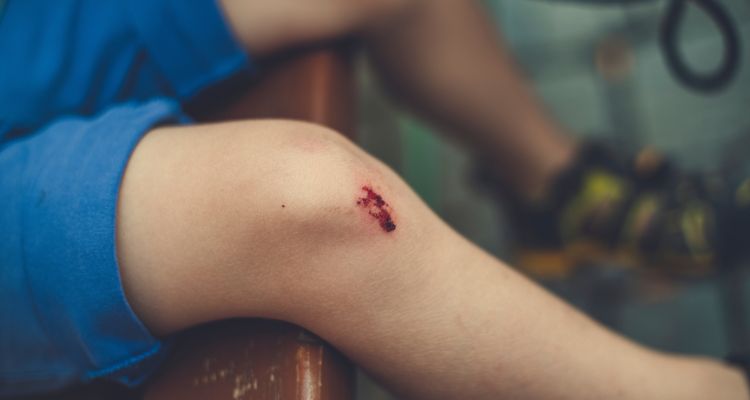
The Rise of Pickleball and Its Injury Toll
Pickleball’s appeal lies in its low-impact nature and social vibe, but don’t let that fool you, it’s still a sport that demands quick movements, agility, and endurance. Invented in 1965 on Bainbridge Island, Washington, the game has seen exponential growth. According to industry reports, the number of players jumped from 4.8 million in 2021 to over 13.6 million by 2025, making it the fastest-growing sport for several consecutive years.
This boom hasn’t come without consequences. Pickleball injuries are on the rise, with emergency department visits skyrocketing from about 1,313 in 2014 to an estimated 24,461 in 2023. By 2025, experts predict even higher numbers as more seniors and beginners flock to the courts. A 2025 study in Sports Medicine Open analyzed injury patterns over 12 months and found knees (29%), thighs/legs/feet (26.9%), and shoulders (22.2%) as the most affected areas. Eye injuries have also surged, with an estimated 3,112 cases from 2005 to 2024, 88% occurring between 2022 and 2024.
Why the uptick? Many players underestimate the physical demands. Quick lateral movements, sudden stops, and repetitive swings can lead to strains, sprains, and falls, especially for those over 50, who account for about 90% of injuries. Bone fractures related to pickleball have increased 200% over the last 20 years, often from falls. These statistics underscore the importance of addressing pickleball injuries proactively.
Common Pickleball Injuries: What to Watch For
Pickleball injuries range from minor aches to serious setbacks requiring medical intervention. Based on recent studies, here are the most prevalent ones, often stemming from overuse, poor technique, or accidents on the court.
To make this clearer, here’s a table summarizing key pickleball injuries, their symptoms, and affected areas:
| Injury Type | Common Symptoms | Affected Body Part | Prevalence |
|---|---|---|---|
| Ankle Sprains | Swelling, pain, instability | Ankle | High (common in lower extremities) |
| Knee Strains/Meniscus Tears | Pain, swelling, limited range of motion | Knee | 29% of injuries |
| Pickleball Elbow (Lateral Epicondylitis) | Pain on outer elbow, weakness in grip | Elbow | Common overuse injury |
| Rotator Cuff Strains/Tears | Shoulder pain, reduced mobility | Shoulder | 22.2% of injuries |
| Achilles Tendonitis/Ruptures | Heel pain, stiffness | Calf/Achilles | Frequent in quick movements |
| Wrist Strains/Fractures | Pain, swelling from falls | Wrist | 12.7% of all injuries |
| Eye Injuries | Blurred vision, pain, swelling | Eyes | Rising dramatically (405 cases/year increase 2021-2024) |
| Hamstring Strains | Sharp pain in back of thigh | Leg | Part of 26.9% lower body injuries |
| Lower Back Strains | Muscle spasms, pain with twisting | Back | Common from rotation |
| Fractures | Severe pain, deformity | Arms/Legs (e.g., radius, humerus) | 32.7% of ER visits |
These injuries often occur in older players due to reduced bone density and flexibility. For instance, sprains and strains make up about 28.7% of cases, while fractures account for nearly a third. Eye injuries, a newer concern, include corneal abrasions, retinal detachments, and orbital fractures, often from balls traveling at high speeds.
Causes of Pickleball Injuries: Why They Happen
Understanding the root causes of pickleball injuries is key to prevention. Most stem from a mix of physical demands and player factors.
- Overuse and Repetitive Motions: Constant dinking, volleys, and groundstrokes strain tendons and muscles. Pickleball elbow, similar to tennis elbow, arises from repeated wrist extension. Shoulder injuries like rotator cuff tears often result from overhead shots or falls.
- Sudden Movements and Poor Footwork: Quick lateral shifts, pivots, and lunges cause ankle sprains or knee twists. Inadequate warm-ups exacerbate this, as cold muscles are more prone to tears.
- Falls and Accidents: Slips, trips, or dives account for 65.5% of injuries, especially in seniors. Being hit by a paddle or ball contributes to eye and facial trauma.
- Age and Fitness Level: Players over 50 face higher risks due to declining coordination, muscle tone, and bone strength. Postmenopausal women are particularly susceptible to fractures.
- Environmental Factors: Slippery courts, improper footwear, or playing without rest increase hazards. Dehydration slows reactions, leading to mishaps.
A 2025 analysis showed falls as the top mechanism for those 65+, while younger players suffer more from twists or paddle strikes.
Preventing Pickleball Injuries: Essential Tips
The good news? Most pickleball injuries are preventable with smart habits. Experts from the American Academy of Orthopaedic Surgeons and sports medicine pros recommend these strategies.
- Warm Up Properly: Spend 5-15 minutes on dynamic stretches like arm circles, leg swings, and light jogging. This boosts blood flow and reduces strain risk.
- Build Strength and Flexibility: Incorporate cross-training 150 minutes weekly, walking, swimming, or yoga. Focus on core, legs, and shoulders for stability.
- Choose the Right Gear: Wear court-specific shoes for traction and support. Use protective eyewear, only 20% of pros do, but it’s vital. Opt for a paddle with proper grip size to avoid elbow strain.
- Master Technique: Take lessons to learn efficient footwork and strokes. Avoid overreaching; use your body rotation for power.
- Listen to Your Body: Start slow if new, play 1-2 days a week. Hydrate well, rest between games, and stop if pain arises.
- Court Safety: Ensure clear, dry surfaces. Play with partners of similar skill to avoid erratic balls.
Amateurs wear eyewear more (54.5%) than pros, but all levels benefit from these tips. Active recovery post-play, like walking, aids healing.
Treatment for Pickleball Injuries: Getting Back in the Game
If injury strikes, prompt treatment minimizes downtime. Most respond to conservative methods, but severe cases need professional care.
- RICE Method: For acute injuries like sprains, rest, ice (20 minutes hourly), compress, and elevate. This reduces swelling.
- Over-the-Counter Relief: NSAIDs like ibuprofen ease pain and inflammation. Braces support affected areas.
- Physical Therapy: Crucial for recovery, exercises strengthen muscles, improve flexibility, and prevent recurrence. For Achilles issues, focus on calf stretches.
- Medical Interventions: Severe tears (e.g., rotator cuff) may require surgery. Eye injuries demand immediate ER visits to avoid vision loss.
- Rehab Timeline: Minor strains heal in weeks; fractures take months. Gradual return to play is key.
A 2025 study emphasizes early intervention for eye injuries, which can include surgery for detachments.
Latest Research on Pickleball Injuries
2025 brought fresh insights into pickleball injuries. A JAMA Ophthalmology study estimated a 405-case annual increase in eye injuries from 2021-2024, with 1,262 in 2024 alone. Most affected those 50+, from balls (43%) or falls (28%).
Another 2025 report in Sports Medicine Open highlighted knee and lower body dominance. Ocular trauma research showed pickleball leading ball sports in eye risks, with a 1810% increase in cases from 2021-2023.
Experts call for standardized eyewear guidelines and better education, as costs for treating injuries hit $250-500 million in 2023.
FAQs About Pickleball Injuries
What is the most common pickleball injury?
Sprains and strains, particularly in ankles and knees, top the list, followed by elbow and shoulder issues.
How can I prevent eye injuries in pickleball?
Wear protective eyewear rated for racquet sports. Amateurs do this more than pros, but it’s essential for all.
Are pickleball injuries more common in older players?
Yes, 90% affect those 50+, due to falls and reduced agility.
When should I see a doctor for a pickleball injury?
If pain persists beyond a few days, swelling increases, or you suspect a fracture/rupture, seek care immediately.
Can physical therapy help with pickleball injuries?
Absolutely, it restores strength, flexibility, and prevents future issues.
Is pickleball safer than tennis?
It has lower impact, but injury rates are rising due to popularity. Proper prep makes it safe.
Conclusion: Play Smart to Avoid Pickleball Injuries
Pickleball is a super fun game, and injuries don’t have to ruin it for you. If you know about the common injuries, understand why they happen, and follow simple ways to prevent them, you can keep playing safely for a long time.
You’ll stay fit, make new friends, and enjoy every moment on the court without getting hurt.
Just remember a few easy things:
- Always warm up before playing
- Wear the right shoes and gear
- Listen to your body – if something hurts, take a break
Recent studies show that wearing protective eyewear is really important too. Following these basic tips will help everyone in the pickleball community stay safe and keep loving the game.
So go ahead, grab your paddle and have fun – but always put safety first. Your body will thank you!