In early 2026, the sports and cheerleading worlds were stunned when Jeff Webb pickleball, often called the “father of modern cheerleading,” died at age 76 following a pickleball accident. What started as a routine game on a pickleball court quickly spiraled into a national story, spawning speculation, misinformation, and, ultimately, a growing conversation about pickleball safety for older players.
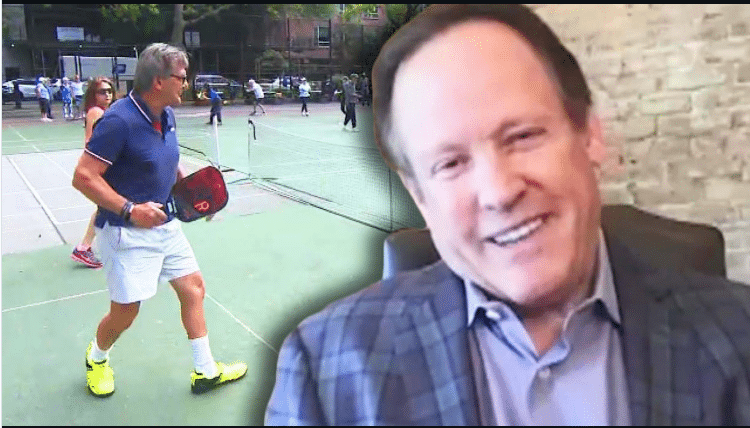
Who Was Jeff Webb?
Jeff Webb was best known as the founder of Varsity Spirit, the company that helped turn competitive cheerleading into a multibillion‑dollar industry. Starting in the 1970s, he built a network of camps, competitions, and television broadcasts that reshaped how cheerleading was perceived from sideline entertainment to a disciplined, judged sport.
Beyond cheer, Webb became a mentor to conservative activist Charlie Kirk, which later drew additional attention to his legacy. When news broke that he had died after a “freak pickleball accident,” the mix of high‑profile name recognition and the unusual nature of the incident fueled rapid online discussion.
What Actually Happened?
Public reports, including statements from Varsity Spirit and coverage by outlets like Cheer Daily and People, describe a fairly straightforward sequence of events. Around two weeks before his death, Webb fell while playing pickleball and suffered a severe head injury. He was hospitalized with significant head trauma, and his condition declined to the point where his family ultimately decided to remove him from life support.
The exact place of the accident and the precise mechanics of the fall have not been fully disclosed, and the family has chosen not to share further details publicly. Because of that privacy, some of the most viral “facts” circulating online, details about court layout, specific collisions, or equipment, are speculative or unverified.
Why the Pickleball Angle Caught Fire
Pickleball is one of the fastest‑growing sports in the U.S., especially among adults and older players, precisely because it’s marketed as low‑impact and social. That’s exactly why Webb’s death hit hard: it underscored that even a “gentler” sport can carry real risk, especially for older athletes.
The phrase “freak pickleball accident” became a shorthand in many media headlines, which amplified visibility but also muddied the narrative. Rather than a slow, thorough explanation of the medical course, readers were often left with a dramatic sound bite that invited rumor and conjecture rather than informed discussion.
Common Misconceptions and Rumors
Almost immediately after the news broke, several misleading claims made the rounds:
- Some posts falsely suggested Webb was struck by another player’s paddle or collided with a net support pole in a dramatic way, despite no such evidence in official accounts.
- Others implied that he died instantly on the court, when reports indicate he survived for about two weeks before being removed from life support.
- A few viral threads tried to link his death directly to “unsafe pickleball rules” or alleged court‑design flaws, without citing any investigation or safety review.
None of these claims have been substantiated by family statements, medical data, or governing‑body investigations. That doesn’t mean queries about pickleball safety are unwarranted it just means the Webb case should be treated as a tragic outlier, not proof of a systemic crisis.
The Real Safety Conversation Pickleball Needs
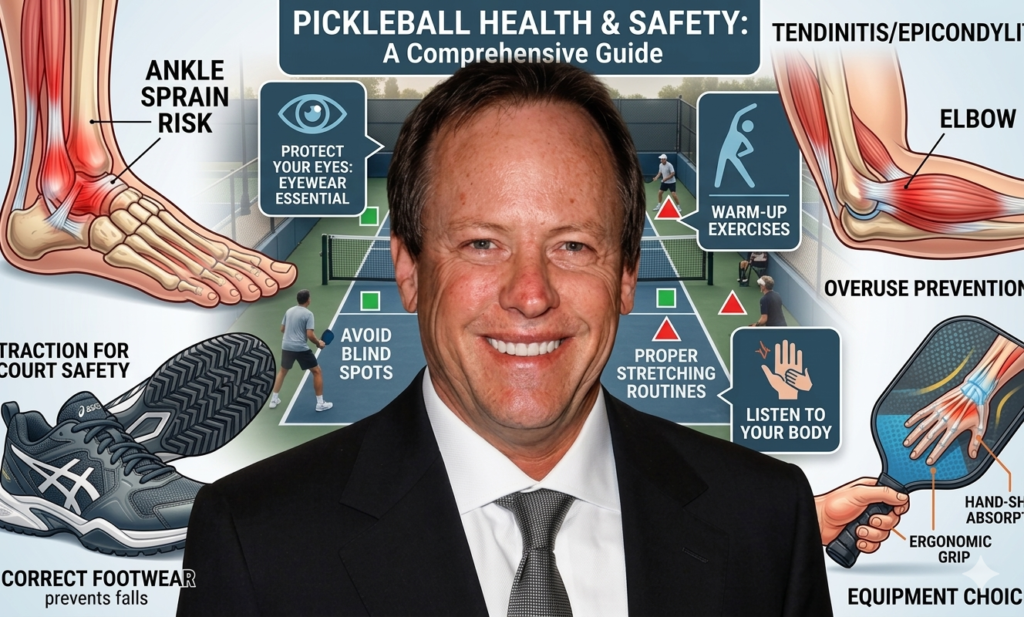
Jeff Webb’s death is a sobering reminder that every sport carries some risk, and that risk profile changes with age, fitness, and underlying health. For older players, the combination of quick lateral movements, crossover steps, and the tendency to lean into the ball for extra control can increase the chance of a fall, especially if balance or joint stability is compromised.
Practical steps that attentive players can take include:
- Wearing supportive, non‑marking court shoes with good lateral grip.
- Avoiding sharp over‑the‑net lunges when the ball is clearly out of reach.
- Using a lighter, balanced paddle that reduces wrist strain and improves control.
- Playing on courts with clear boundaries, adequate lighting, and smooth transitions between surfaces.
Fitness habits like strength training, balance work, and flexibility practice also pay off when it comes to injury prevention, especially for those over 50–60.
What Jeff Webb’s Legacy Means for the Sport
Beyond the immediate pickleball angle, Webb’s story is a reminder that many people who help shape sports never appear on TV broadcasts or in highlight reels. He helped build an infrastructure for cheerleading from camps and competitions to media partnerships that later influenced how entire youth‑sports ecosystems are run.
His late‑life involvement in pickleball also reflects a broader trend: adults who spent decades in one sport or industry often gravitate toward new, accessible games that still challenge their competitive instincts. That crossover can be inspiring, but it also comes with responsibility both to understand physical limits and to normalize talking frankly about safety.
Turning Gossip into Better On‑Court Practices
The Jeff Webb pickleball controversy ultimately highlights how quickly a personal tragedy can morph into public speculation when details are scarce. Instead of focusing on unverified “what‑ifs,” the most meaningful response is to channel that attention into practical, grounded improvements: better court design, clearer safety guidance from leagues, and more routine conversations about medical preparedness at recreational facilities.
For players who feel unsettled by this story, the best move is simple: keep playing, but play smarter. Warm up properly, respect your body’s signals, and don’t treat a “friendly” game as a no‑consequences zone.
If you’re part of a local pickleball group, consider suggesting a short safety briefing before tournaments or organized play. A few minutes talking about hydration, falls, and head‑injury protocols can go a long way toward honoring Webb’s story not through sensationalism, but through thoughtful, everyday precautions on the court.
What is the Jeff Webb pickleball controversy about?
The Jeff Webb pickleball controversy centers on the tragic circumstances of his death after a pickleball accident, the spread of rumors and misinformation online, and the broader conversation about pickleball safety, especially for older players.
How did Jeff Webb die in the pickleball accident?
Reports indicate that Jeff Webb fell while playing pickleball, suffered a severe head injury, and was hospitalized; his condition declined, and he was later removed from life support after about two weeks. Official sources do not confirm many of the viral details circulating online.
What are the real pickleball safety risks for older players?
Older players face risks like falls, head injuries, and over‑stepping during quick lateral movements. Using proper pickleball shoes, choosing balanced paddles, warming up, and avoiding sharp lunges can significantly reduce pickleball risks.
Are pickleball courts safe for seniors after the Jeff Webb pickleball incident?
Pickleball is generally safe for seniors when played responsibly, but courts should have good lighting, clear boundaries, and smooth surfaces. The Jeff Webb pickleball controversy highlights the need for better pickleball court safety awareness, not that the sport itself is unsafe.
How did Jeff Webb impact cheerleading and pickleball?
Jeff Webb is widely regarded as the father of modern cheerleading and founder of Varsity Spirit, helping turn cheerleading into a global youth sport. In later years, he became an active pickleball player, symbolizing the growing crossover of older athletes into recreational sports like pickleball.