Across the United States, from the sunny courts of Newport Beach to the quiet suburbs of New Jersey, a new kind of “war” is being waged. It’s not a battle for the kitchen line or a dispute over a foot fault. It’s a battle over decibels. As pickleball continues its meteoric rise as the fastest-growing sport in America, it faces an existential threat: noise.
As someone who spends hours analyzing equipment and acoustics at PickleBowls.com, I’ve seen the headlines firsthand. Protests, lawsuits, and sudden court closures are becoming common as residents reach their breaking point with the sport’s signature “pop.” However, the solution isn’t to stop playing; it’s to embrace the “Quiet Revolution” through smarter engineering and community-focused advocacy.
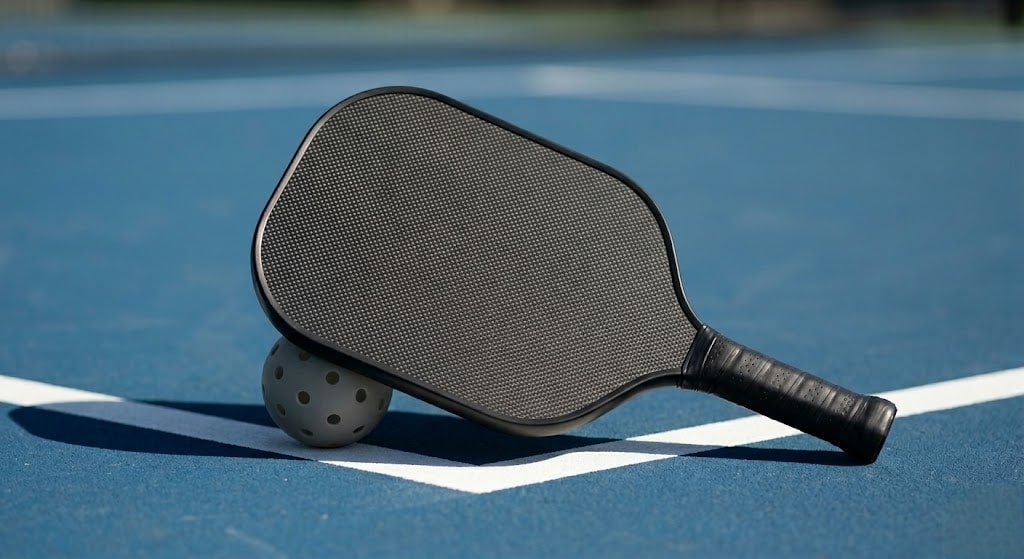
The Science of Sound: Why Pickleball Irritates the Ear
To understand why our neighbors are frustrated, we must look at the physics of the “pop.” A standard pickleball strike generates a sharp, impulsive sound ranging between 70 and 75 decibels (dBA). While this may seem moderate compared to a lawnmower, the problem lies in the frequency.
Pickleball noise typically sits in the 1,000 to 2,000 Hertz (Hz) range, exactly where the human ear is most sensitive. Unlike the lower-frequency “thud” of a tennis ball, the sharp crack of a pickleball paddle pierces through double-paned windows and triggers a stress response in the brain. For neighbors living within 100 to 500 feet of a court, this repetitive, impulsive noise can feel inescapable.
Mathematically, noise decreases as you move away from the source, but the “impulsive” nature of the strike means it doesn’t blend into the background like white noise. It stands out, and that is what leads to the friction we see today.
The Historical Shift: From Nomex to Modern Polymers
Looking back at the equipment evolution, we can see where the noise problem originated. In the early days, players seeking maximum power chose Nomex cores, a hard, aramid fiber honeycomb originally designed for the aerospace industry. When hit, Nomex acts like a drum skin, amplifying the energy of the ball into a high-pitched “ping.”
As the sport moved into residential neighborhoods, this “power-first” approach became a liability. The industry responded by transitioning to Polymer Honeycomb cores. These polypropylene blends are softer and have larger cells, which allow the paddle to “reset” faster and absorb more of the impact energy. While Nomex is still available for those who play in indoor industrial centers, the outdoor residential market has almost entirely shifted to thicker polymer cores (16mm to 20mm) to mitigate the sound.
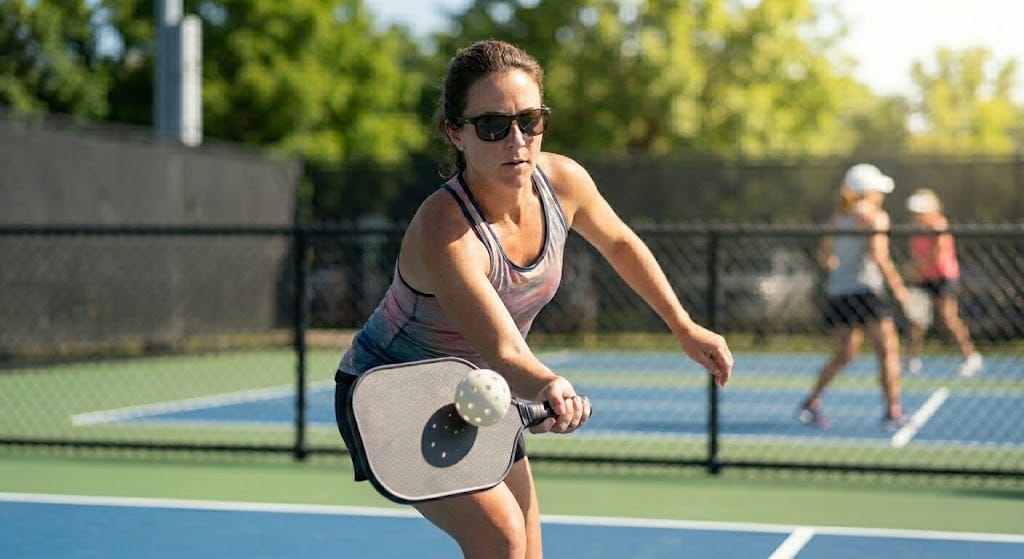
Material Breakdown: Engineering Silence
The latest innovation involves more than just the core. Manufacturers are now looking at the paddle’s “skin” and “edge guard” to further dampen sound:
- Carbon Fiber vs. Fiberglass: Fiberglass is stiff and “snappy,” creating a loud response. Carbon fiber (and specialized Raw Carbon) has a tighter weave that deadens the sound while providing superior spin and control.
- The Rise of Foam Cores (EPP/EVA): The “Holy Grail” of silence is currently the foam-core paddle. By replacing the hollow honeycomb cells with solid, high-density foam, the sharp “pop” is transformed into a dull, low-frequency “thunk.” While these paddles have faced regulatory hurdles regarding their “trampoline effect,” they are the most effective tool for players in noise-sensitive zones.
- Perimeter Weighting: Adding high-density foam to the edges of the paddle not only increases the sweet spot but also acts as a muffler, preventing the paddle frame from vibrating like a tuning fork.
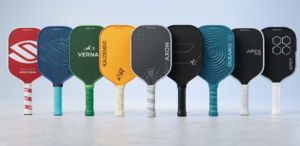
For players navigating this complex market, finding the right balance is crucial. In our detailed guide on quiet pickleball paddles, we’ve tested dozens of models to identify which ones truly meet the Green Zone requirements without sacrificing the “feel” that competitive players demand.
Acoustics on the Court: Infrastructure Matters
Even the quietest paddle cannot solve the problem if the court itself acts as a megaphone. Facility managers must consider the “Acoustics of the Environment”:
- Mass-Loaded Vinyl (MLV) Barriers: Installing specialized acoustic fencing can reduce sound propagation by up to 15 decibels. These aren’t just plastic tarps; they are heavy, sound-absorbing blankets that stop the energy of the “pop” before it reaches the property line.
- Surface Reflection: Concrete and asphalt are highly reflective. Some new facilities are experimenting with “acoustic-friendly” court coatings that reduce the bounce-back noise of the ball hitting the ground.
- Orientation and Setbacks: Professional court designers now suggest that new courts be oriented so the sound travels away from the closest homes. A 500-foot setback is often cited as the “safe zone,” but with proper barriers and quiet gear, this can be reduced significantly.
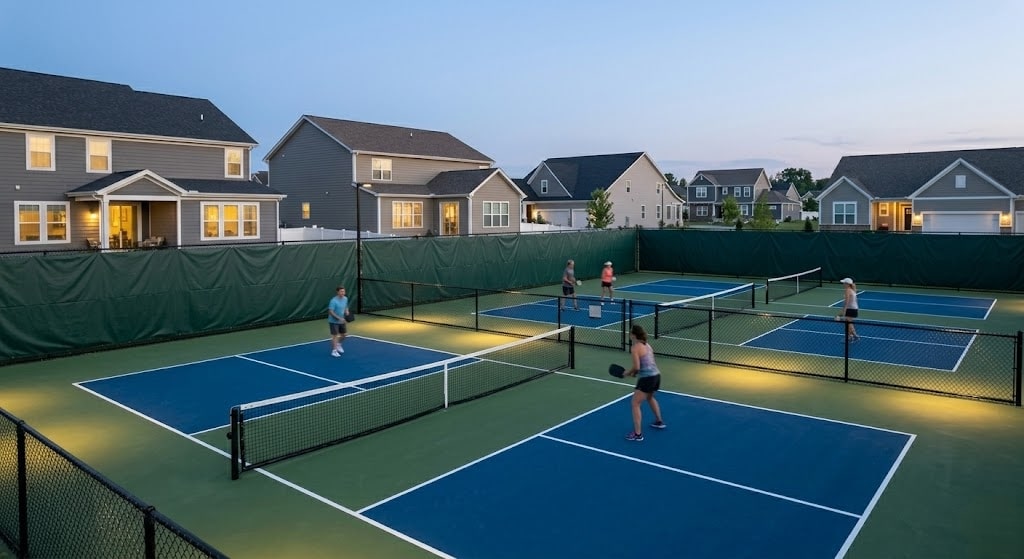
Advocacy: Being a “Good Neighbor” Protocol
To keep our courts open, we must implement a community protocol. This is more than gear, it’s a social contract:
- Mandatory Gear Zones: Clubs in high-density areas should consider requiring “Quiet Category” certified paddles, similar to how golf courses have dress codes.
- Ball Selection: Using softer, outdoor-specific balls that trade a bit of bounce for a lot of silence can shave an additional 2-3 decibels off the total sound signature.
- Regulated Hours: Respecting a “Quiet Window” (e.g., no play before 8:00 AM) shows the community that we value their peace of mind as much as our dinks.
Conclusion: The Future is Quiet
Pickleball is at a crossroads. We can continue the noise disputes and watch as our favorite courts are chained shut, or we can embrace the innovations that make the sport sustainable. The technology is here, and the data is clear: we can play the game we love while respecting the peace of those around us.
The “Quiet Revolution” isn’t about silencing the game; it’s about ensuring it has a place to grow for decades to come.
FAQ: Frequently Asked Questions About Quiet Equipment
Do quiet paddles lose power?
Not necessarily. While they offer more control, modern carbon fiber technology allows for high “pop” with lower decibel output. Many pro players actually prefer the “dwell time” of a softer, quieter paddle.
Are foam core paddles legal for tournaments?
This is a moving target. Many are currently in the “Quiet Category” for recreational play but aren’t yet “Tournament Approved.” Always check the USA Pickleball approved list for sanctioned events.
What is the single best way to reduce court noise?
A combination of a 16mm+ thick polymer core paddle and high-quality acoustic fencing is the most effective solution for community courts.
Why does the pitch of the sound matter
High-pitched sounds (like a Nomex strike) travel further and are more easily detected by the human ear through background noise. Muffling that pitch into a lower frequency makes the sound “disappear” into the environment faster.